
Final Flight of a Legend
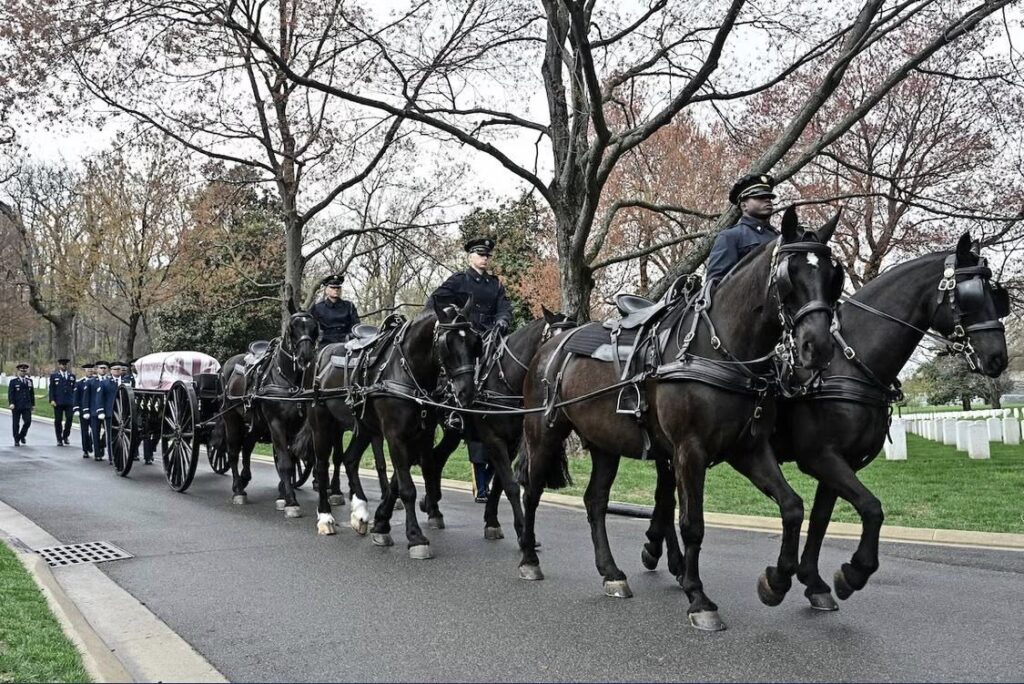
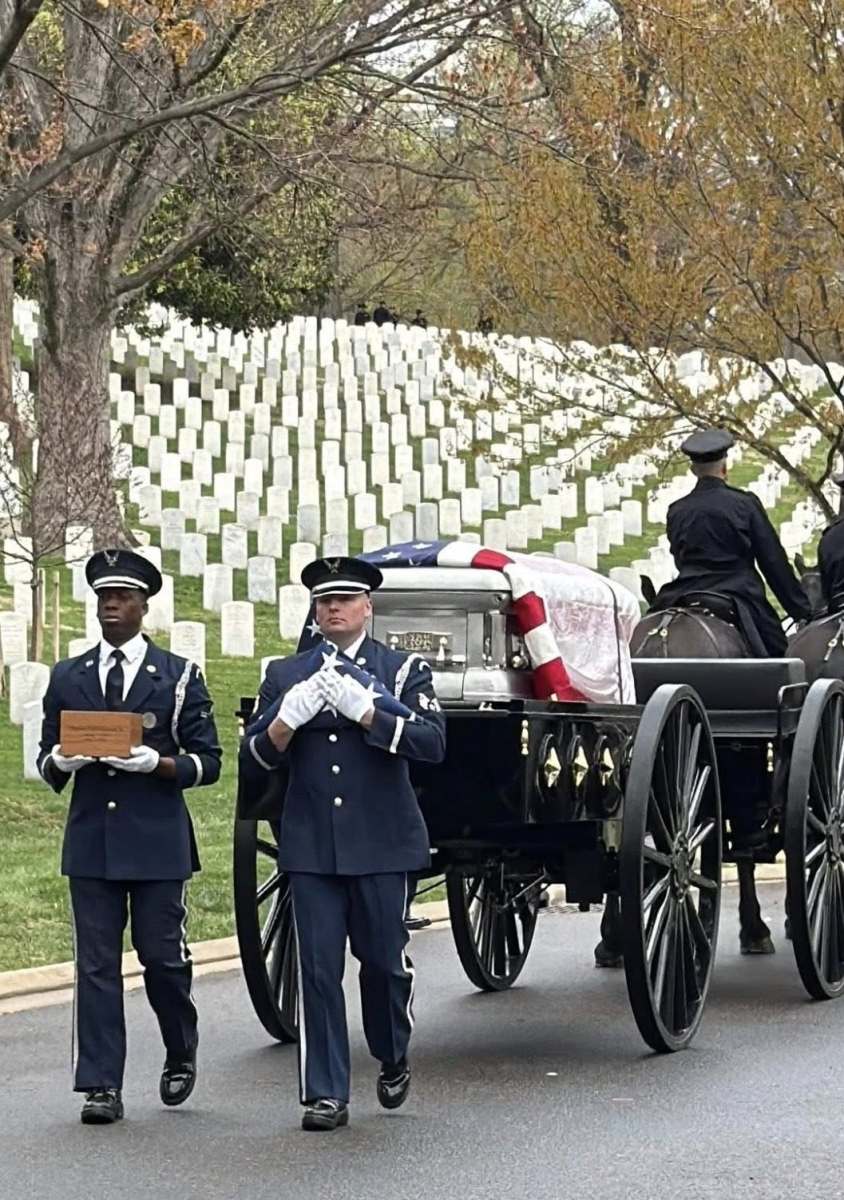
Horse drawn caisson
America Honors WWII Triple Ace Brigadier General Clarence “Bud” Anderson
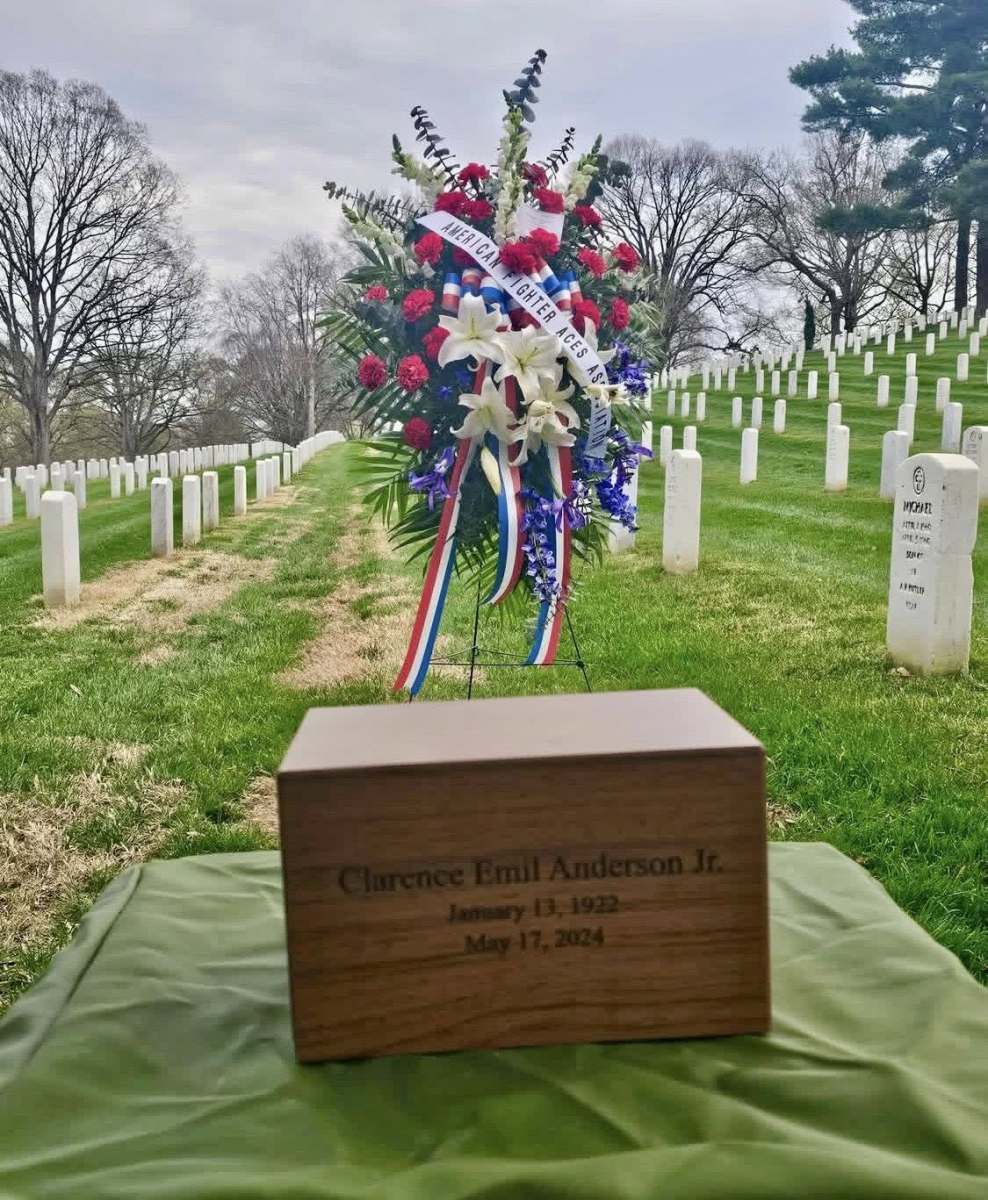
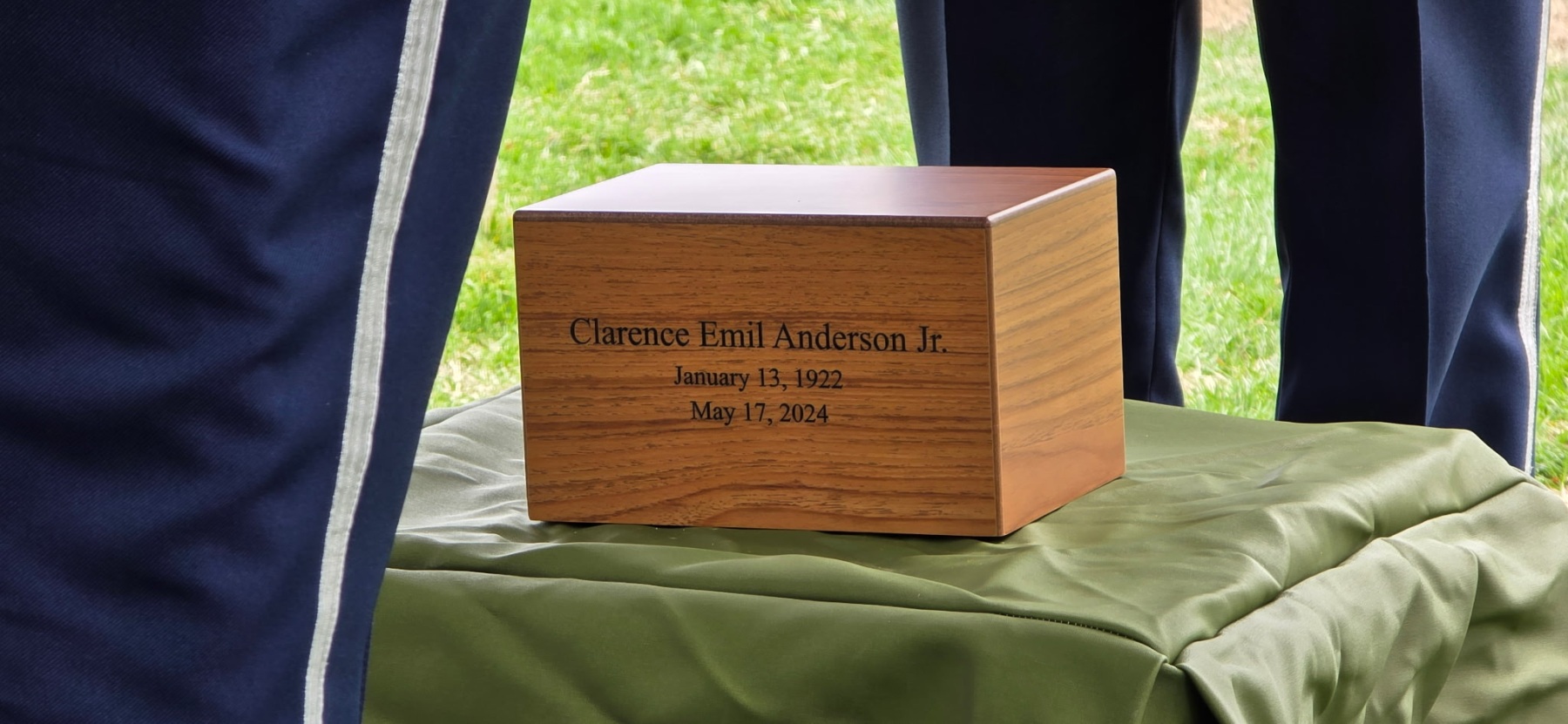
On March 30, 2026, beneath solemn skies at Arlington National Cemetery, the nation rendered its final salute to Brig. Gen. Clarence E. “Bud” Anderson—America’s last surviving World War II triple ace. Nearly two years after his passing on May 17, 2024, at the age of 102, Anderson was laid to rest with full military honors, closing a remarkable chapter in aviation history.
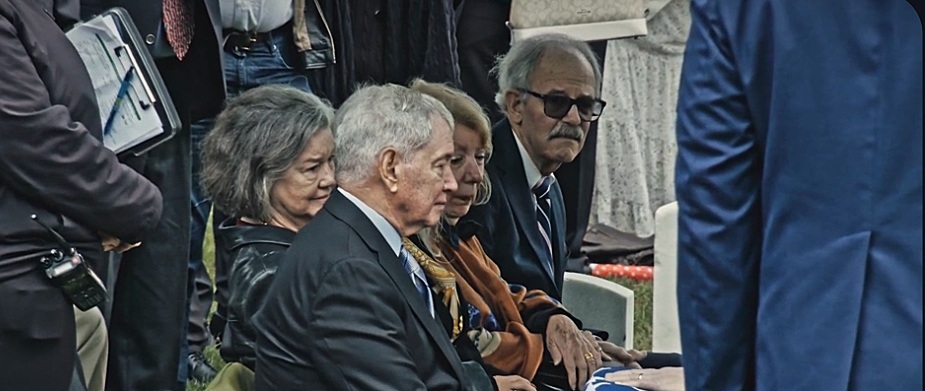
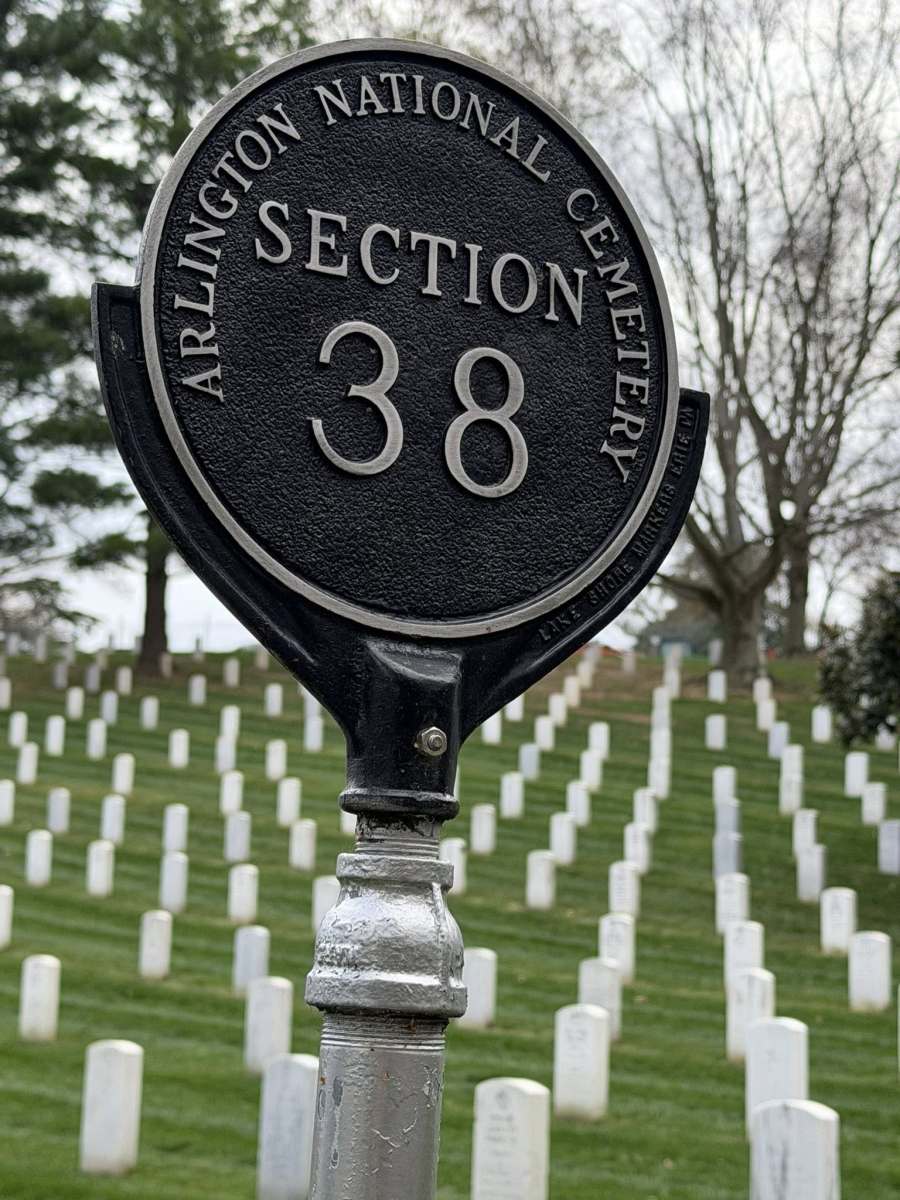
More than 100 attendees gathered to pay their respects—family members, senior military leaders, fellow aviators, and citizens who understood the significance of the moment. Anderson was interred in Section 38 beside his wife of nearly 70 years, Eleanor “Ellie” Anderson, who passed away in 2015—the same year he received the Congressional Gold Medal alongside fellow American fighter aces.
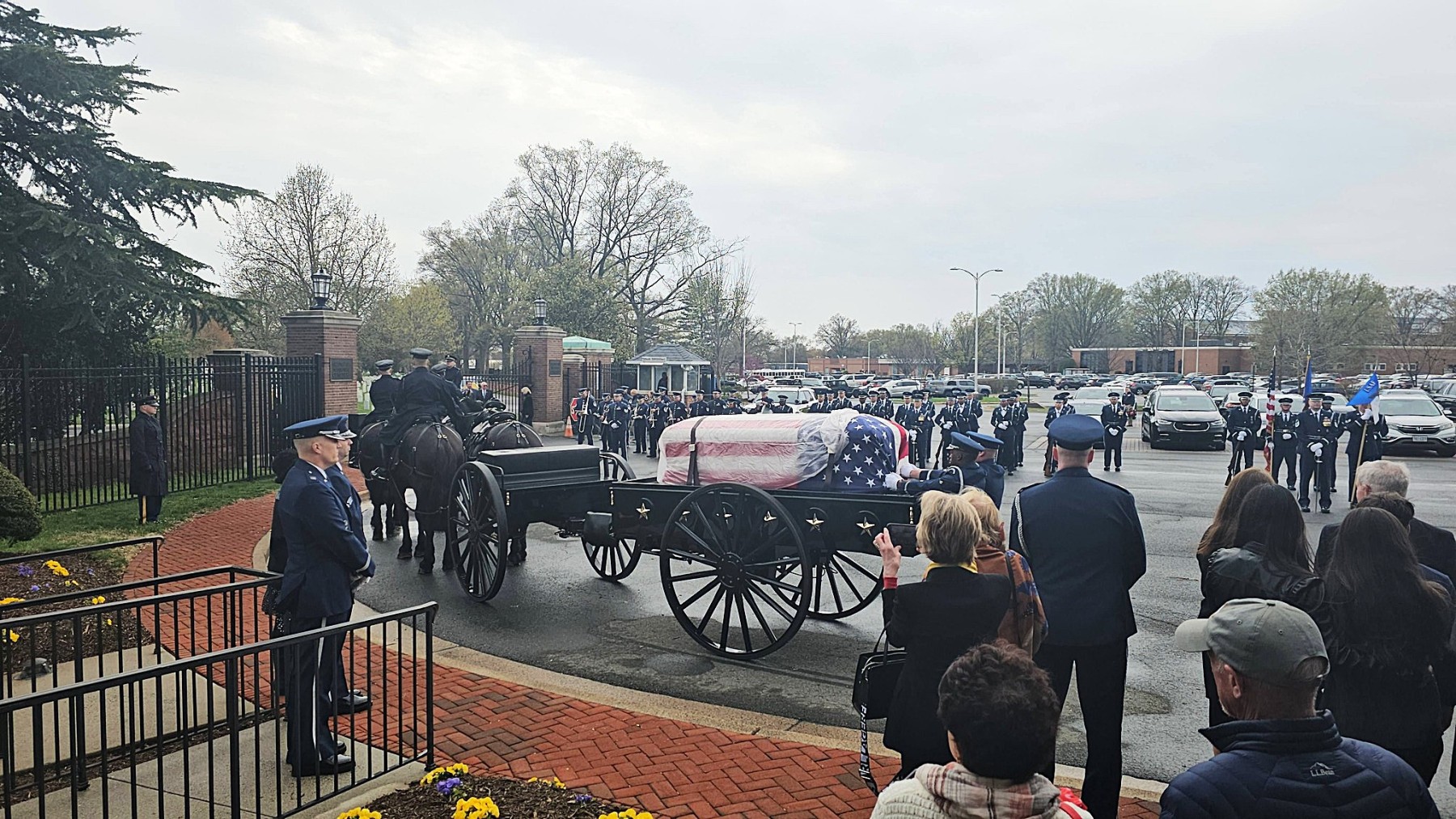
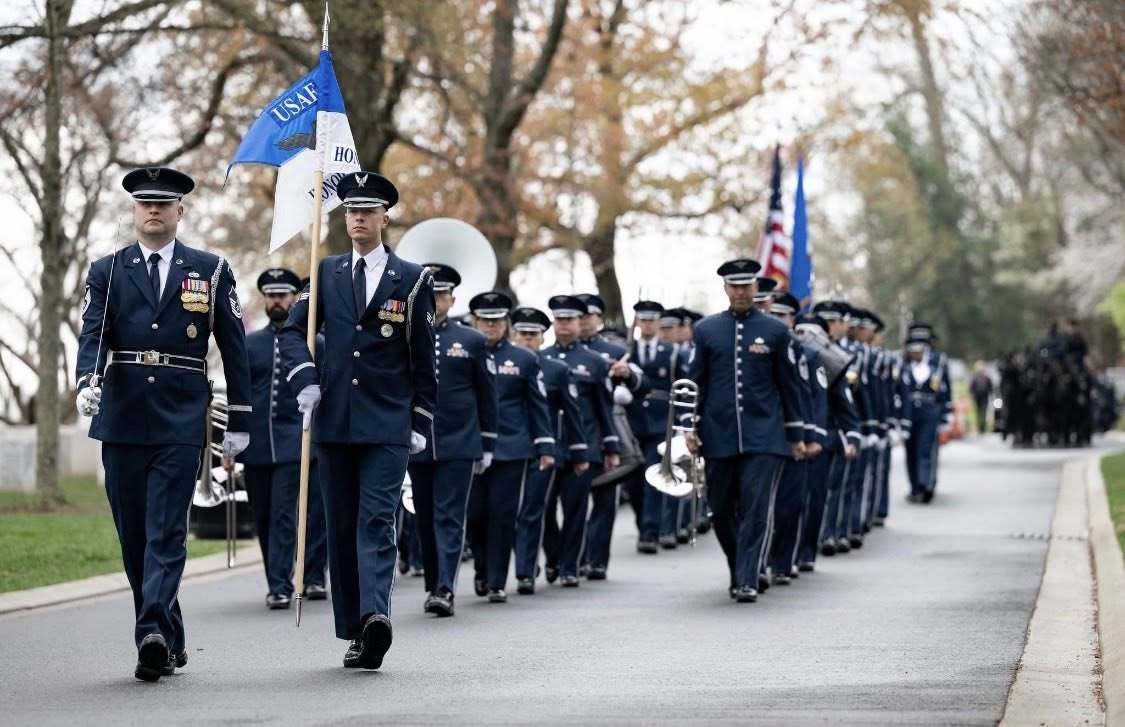
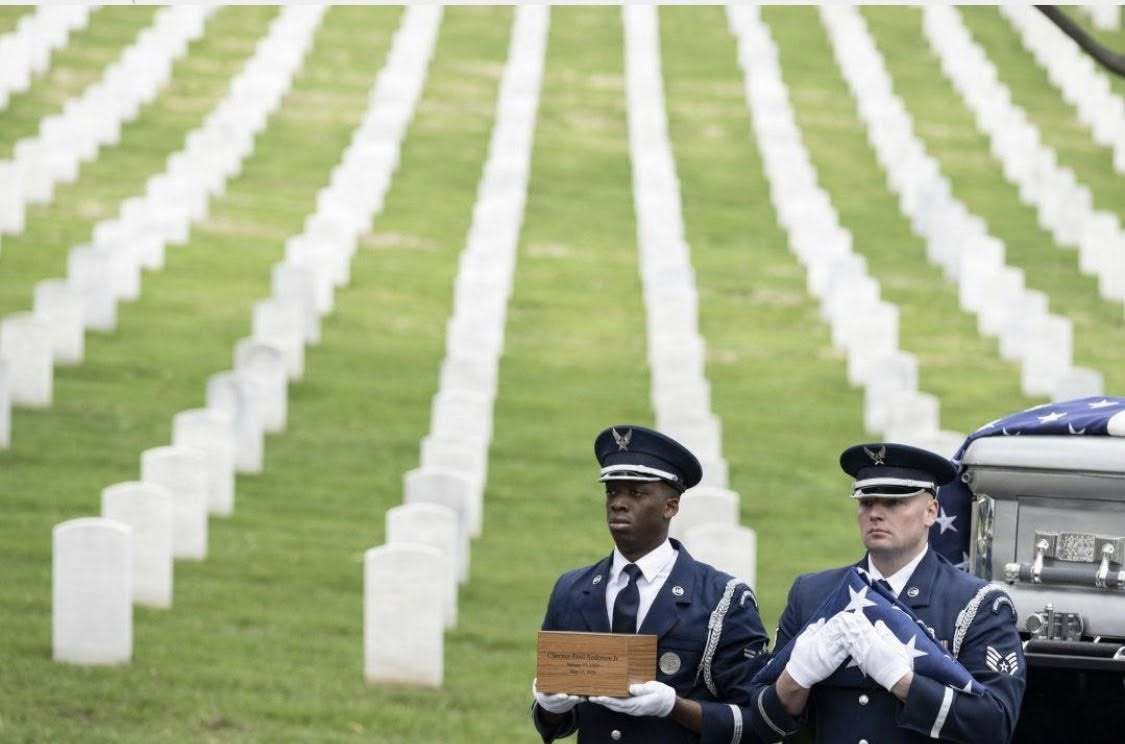
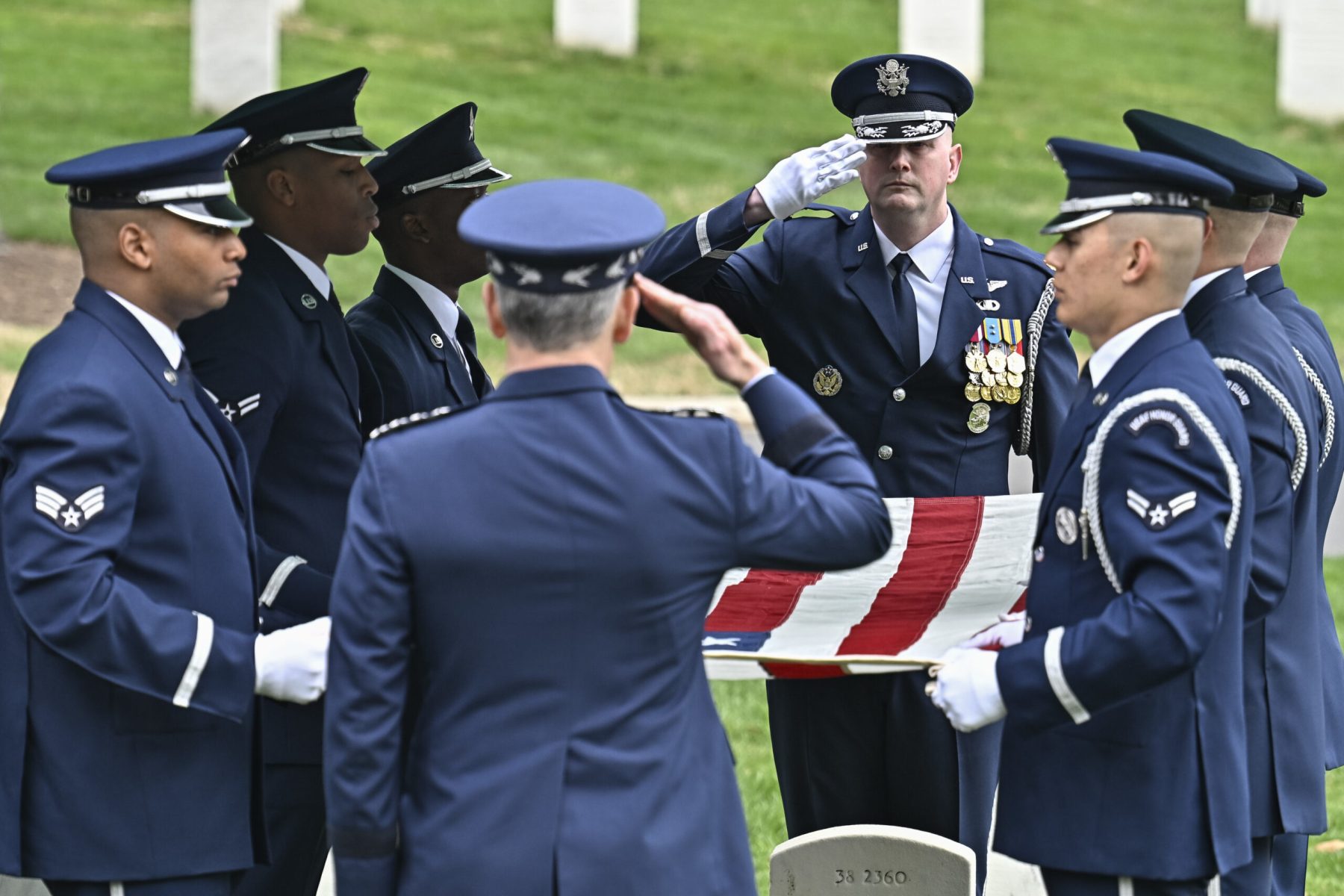
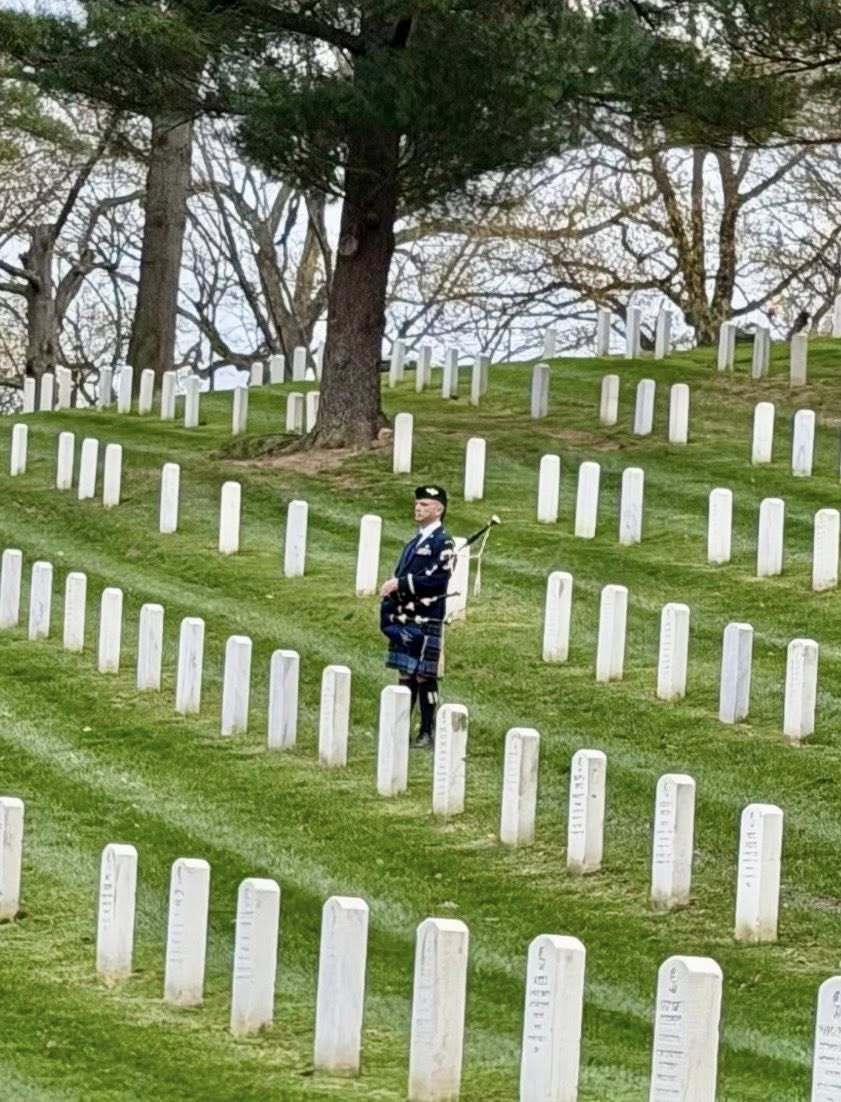
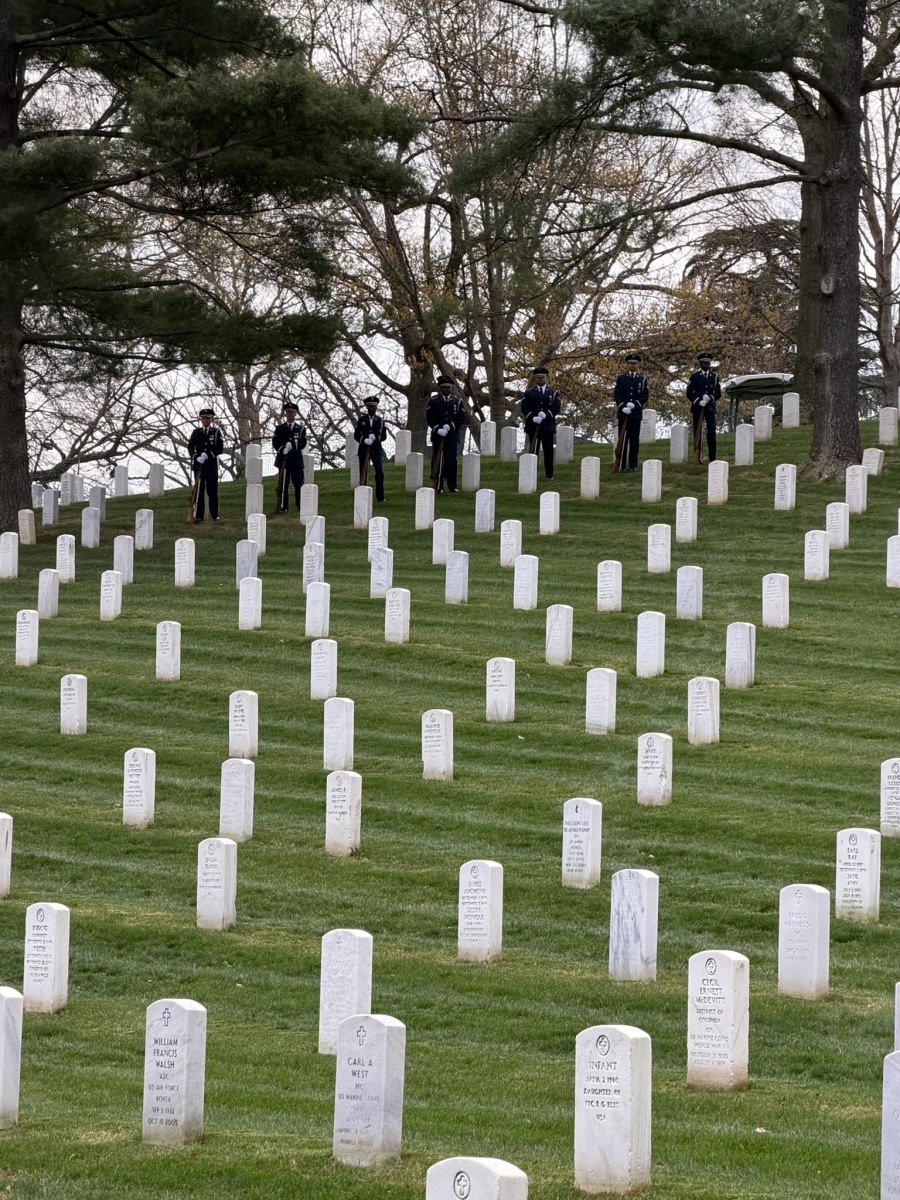
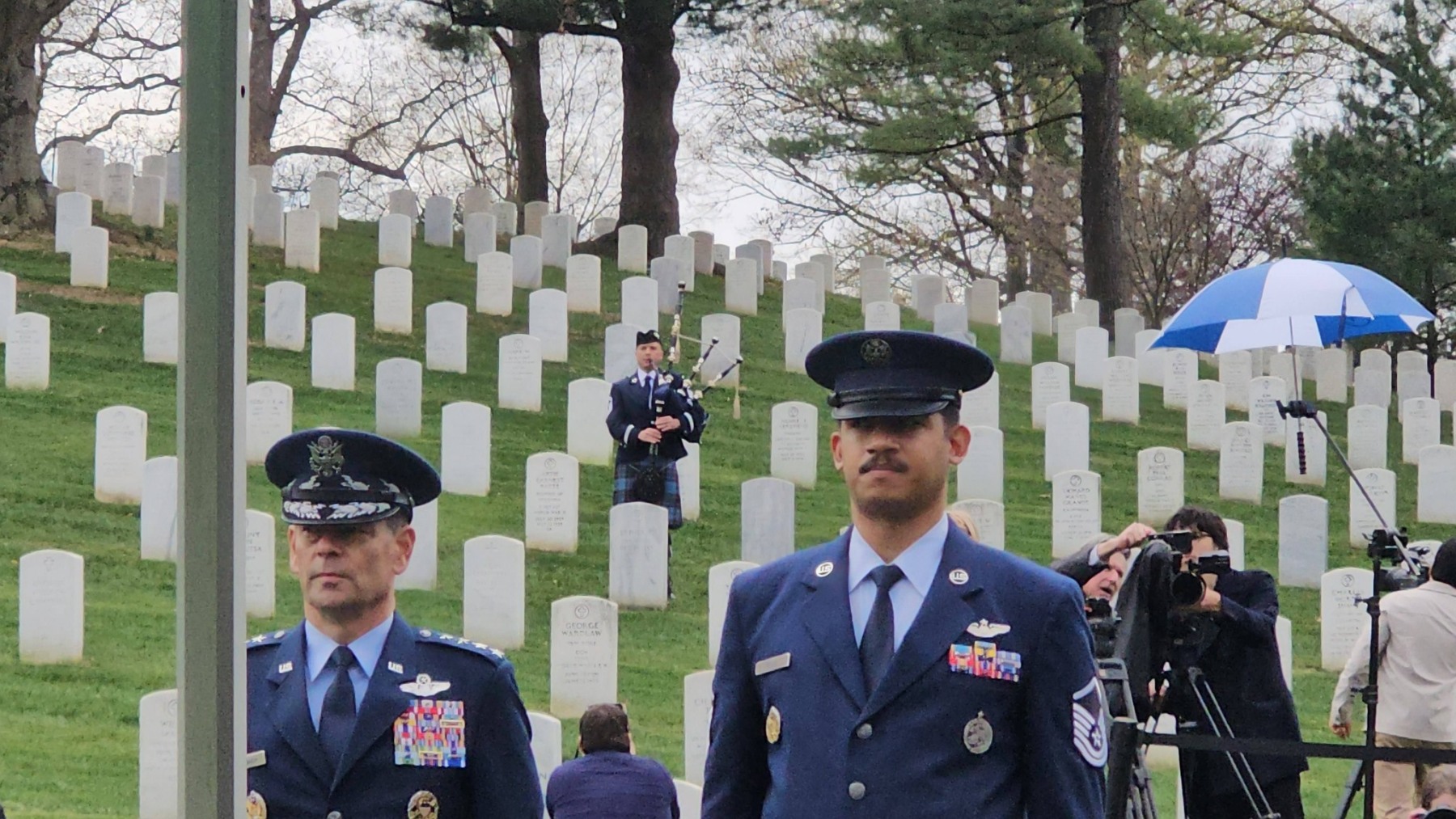
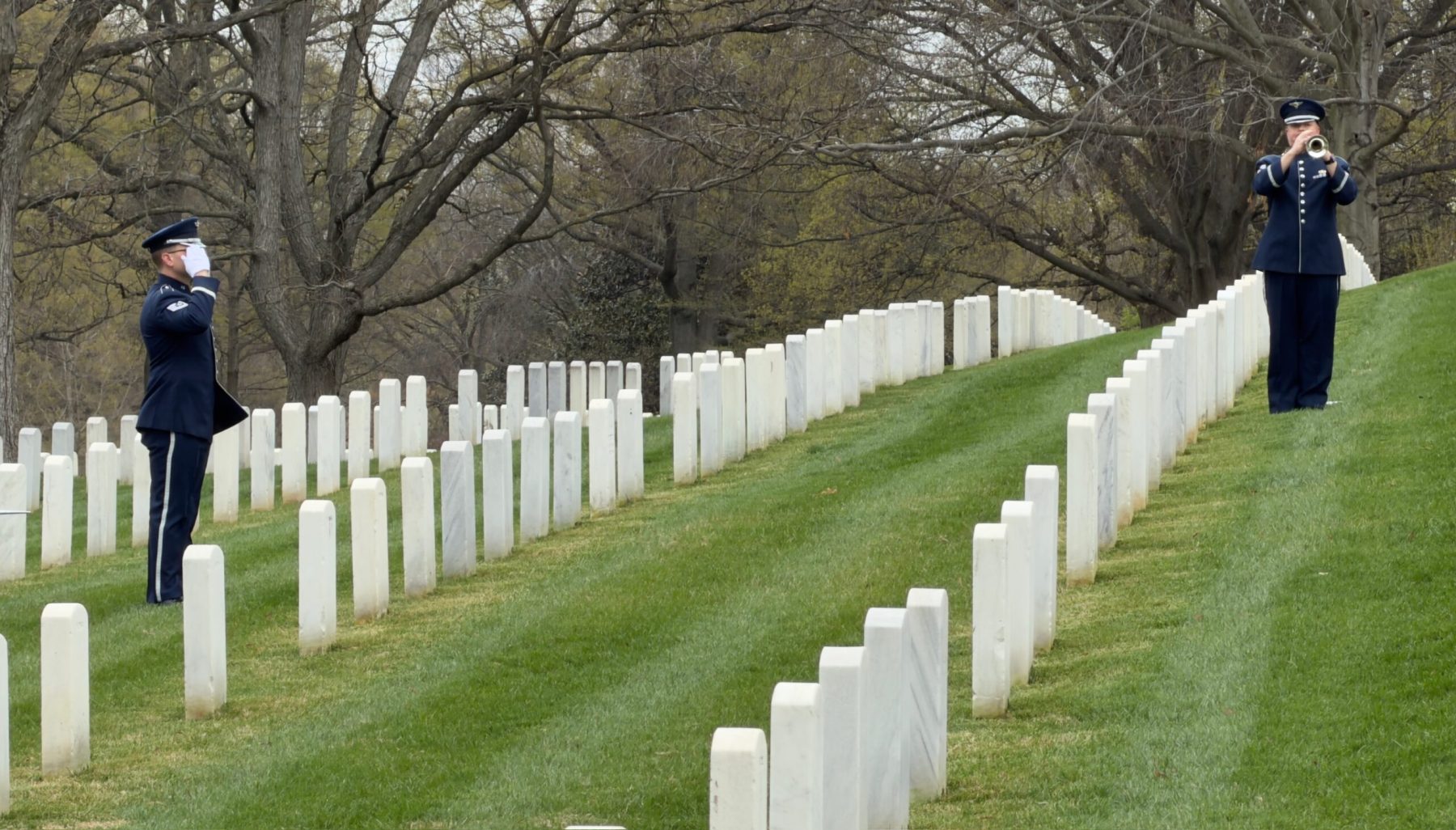
The ceremony reflected the full weight of military tradition. A horse-drawn caisson carried Anderson’s urn through the cemetery grounds. An Air Force firing party delivered a three-volley salute, followed by the haunting notes of “Taps.” A lone bagpiper closed with “Amazing Grace,” the music drifting across the rolling hills.
Above, the skies told his story.
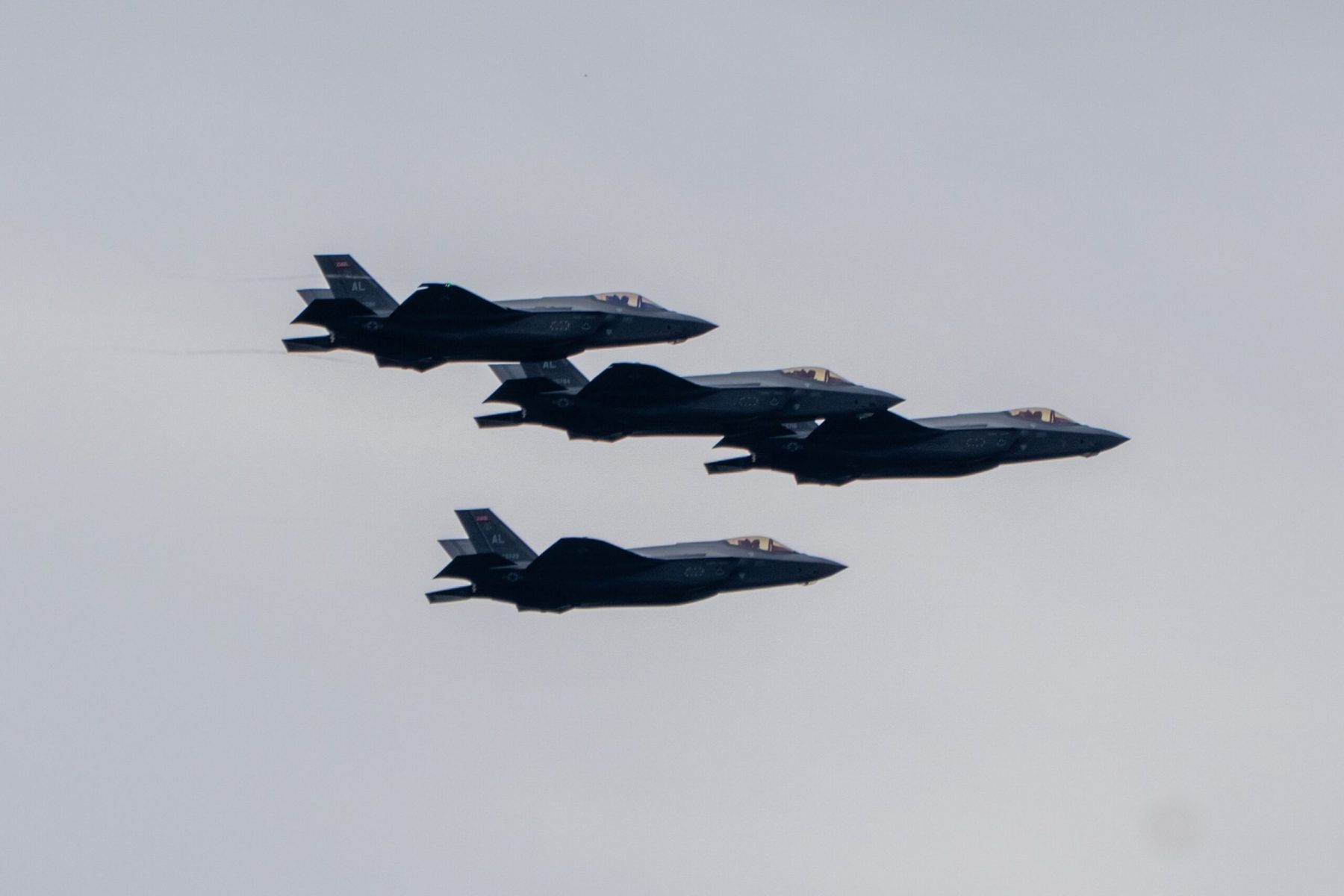
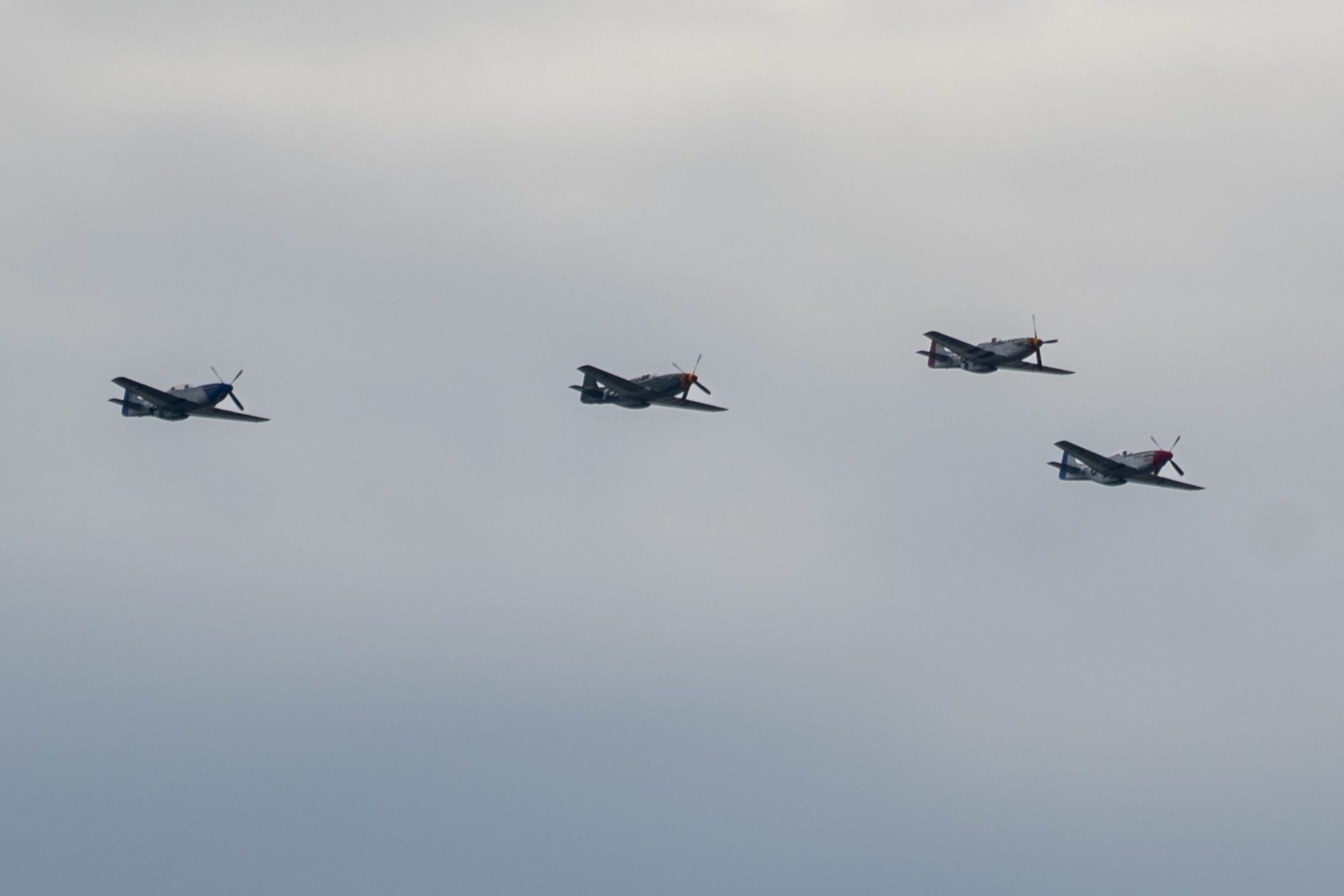
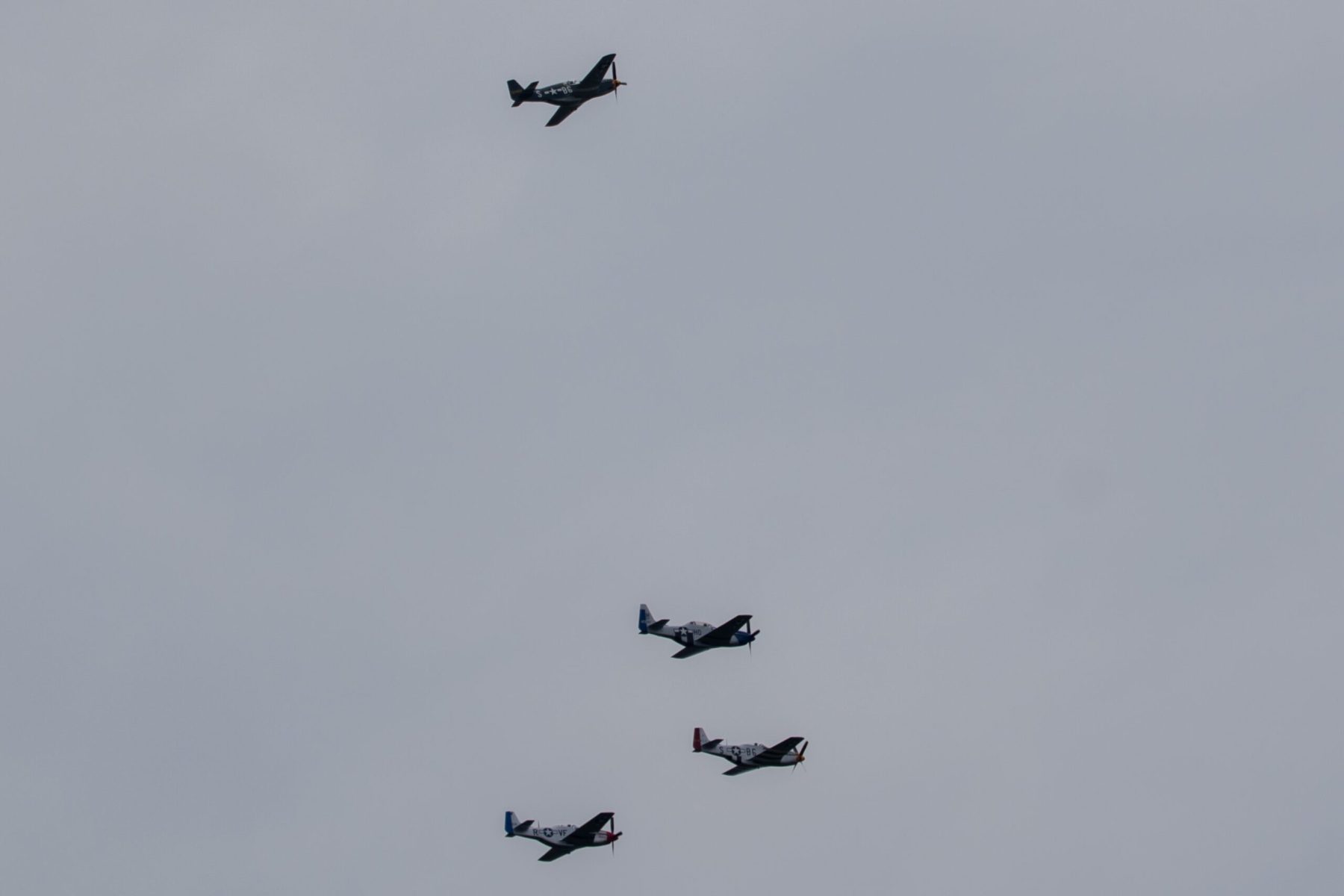
Four F-35 Lightning II fighters roared overhead in tight formation, representing the cutting edge of modern airpower. Moments later, four P-51 Mustangs—forever tied to Anderson’s legacy—swept across the horizon. Two bore the iconic “Old Crow” nose art of his wartime aircraft. As one Mustang peeled away in the symbolic Missing Man Formation, the sound of its Merlin engine echoed across Arlington. The P-51 tribute flyover was provided by the Liberty Foundation and the American Honor Foundation, bridging past and present in a powerful aerial salute.
Born on January 13, 1922, in Oakland, California, Anderson enlisted in the U.S. Army Air Forces in 1942 and quickly distinguished himself as a fighter pilot. Flying 116 combat missions in the P-51 Mustang, he achieved 16.25 aerial victories—earning the rare distinction of “triple ace.” None of the aircraft he flew in combat were lost to enemy fire, and he never aborted a mission.
Following World War II, Anderson continued his service as a test pilot, logging more than 7,500 flight hours in over 130 types of aircraft, including early supersonic jets. He later flew combat missions during the Vietnam War and retired in 1972 after a 30-year military career. In recognition of his lifetime of service, he was honorarily promoted to brigadier general in December 2022.
At the ceremony, General Ken Wilsbach, Air Force Chief of Staff and internment host, reflected on Anderson’s legacy: “Bud Anderson is a hero and legend in air combat; he wrote the playbook. He mastered his craft, flew with immense courage, and leaves a legacy of service that will inspire generations.”
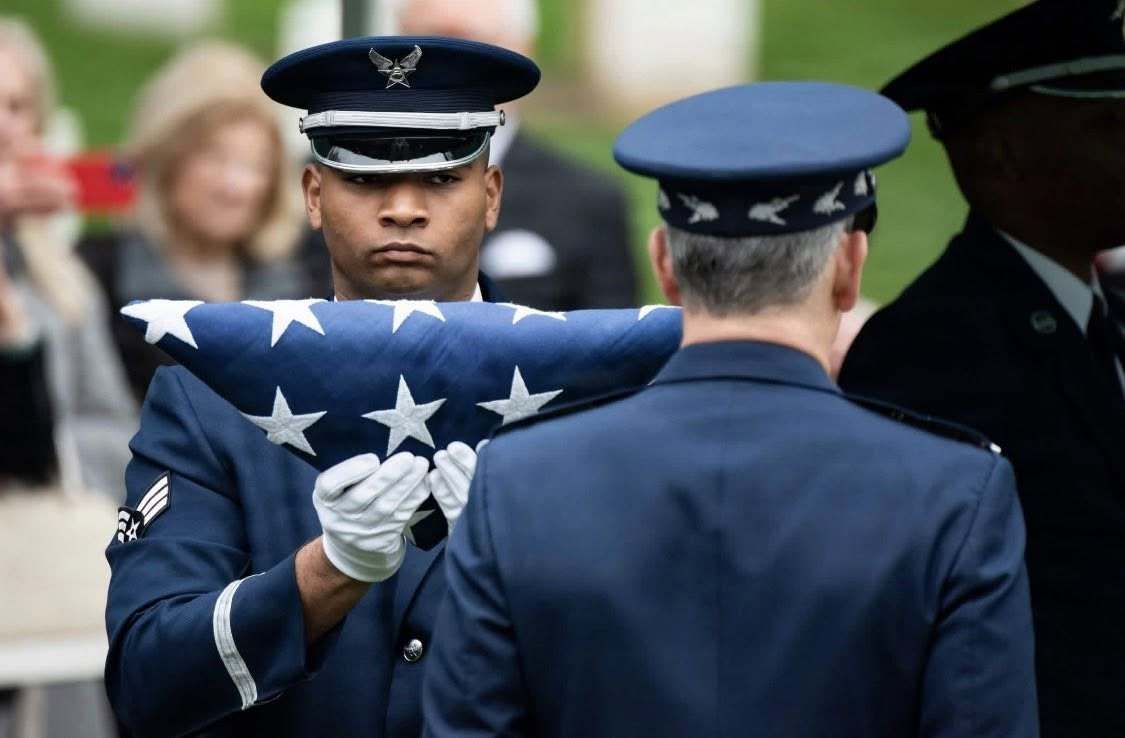
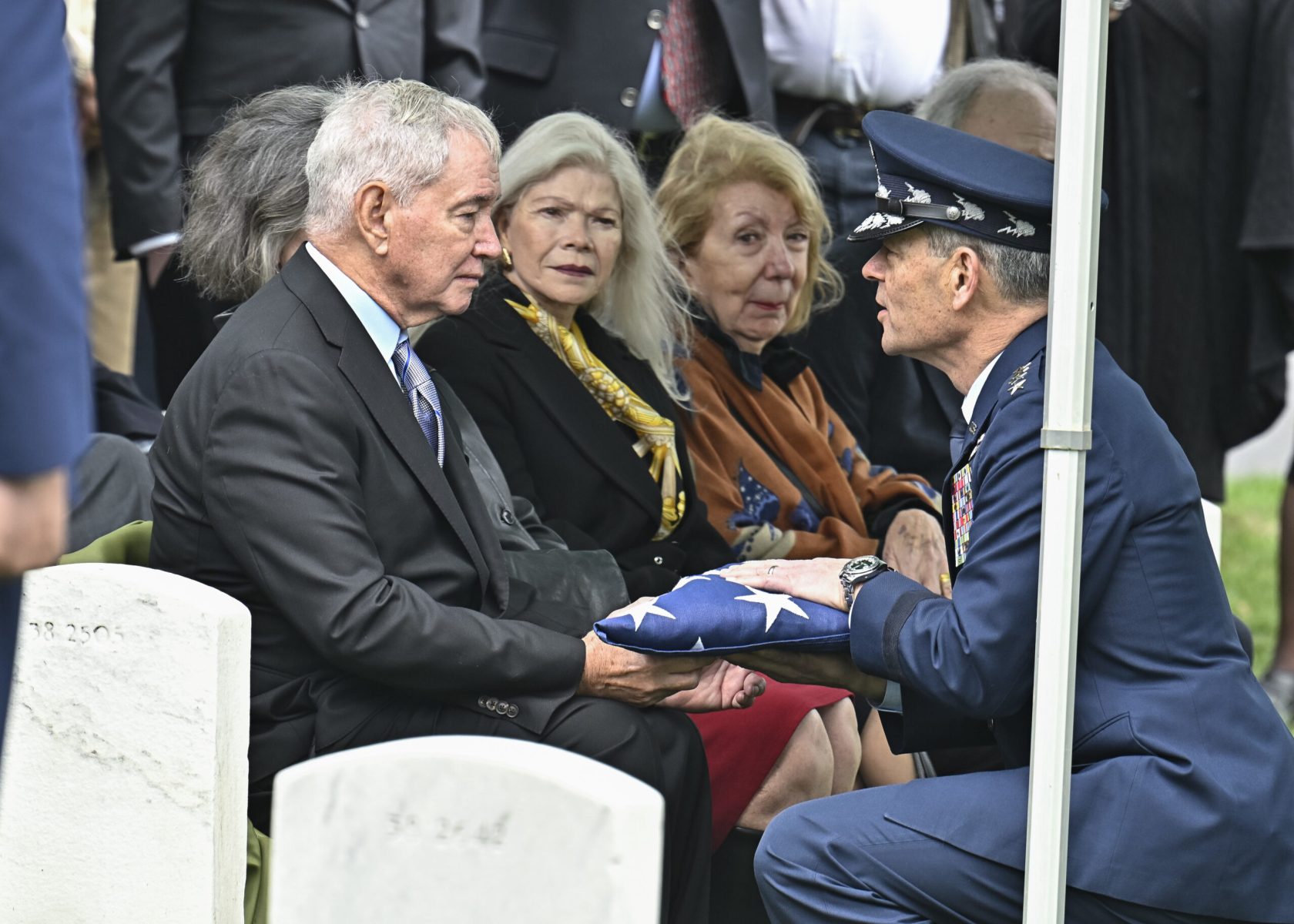
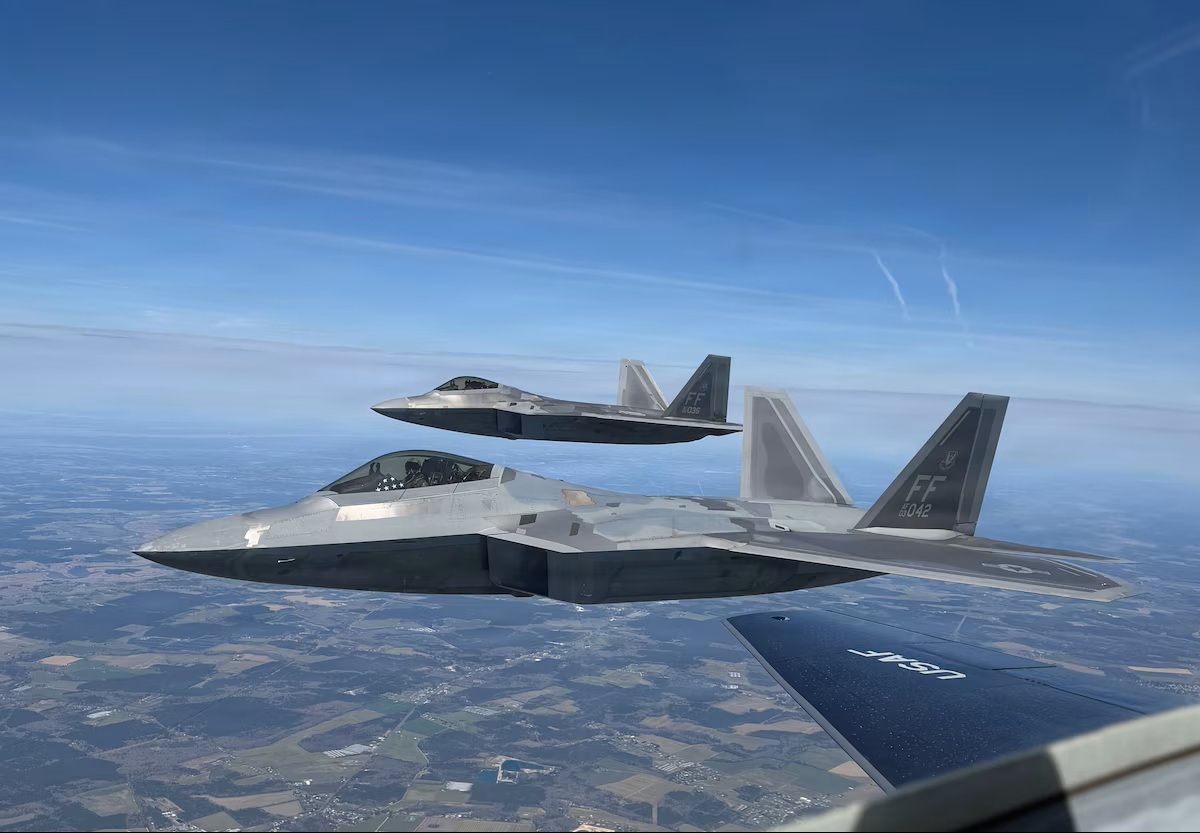
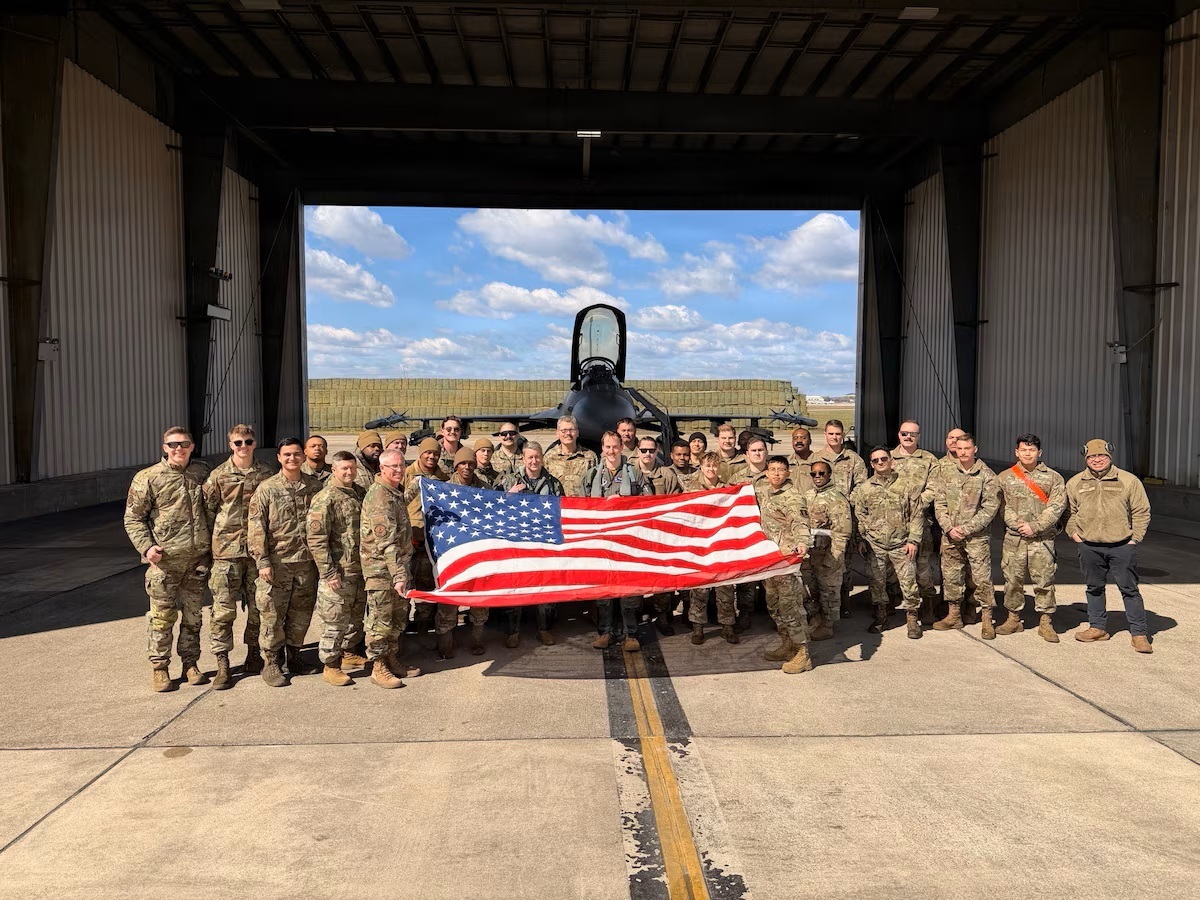
General Wilsbach presented the American flag to Anderson’s son, Jim Anderson, who shared the moment with his sister, Kathryn “Kitty” Burlington. In a deeply symbolic gesture, the flag had been flown days earlier aboard an F-22 Raptor piloted by General Wilsbach and an F-16 Fighting Falcon piloted by General Dan Caine, Chairman of the Joint Chiefs of Staff.
Described by senior leaders as both a legend and a humble servant, Anderson embodied the spirit of the “Greatest Generation.” His life spanned a century of aviation progress—from propeller-driven fighters to fifth-generation jets—and his legacy helped define them all.
As the final notes of the ceremony faded, one truth remained clear: Clarence “Bud” Anderson was more than a decorated pilot. He was a symbol of courage, skill, and service—and with his passing and final honors, an era came to a dignified close.
Jim Anderson
The Last Triple Ace – article by Alex Kershaw